Overview
The tyranny of the rocket equation.
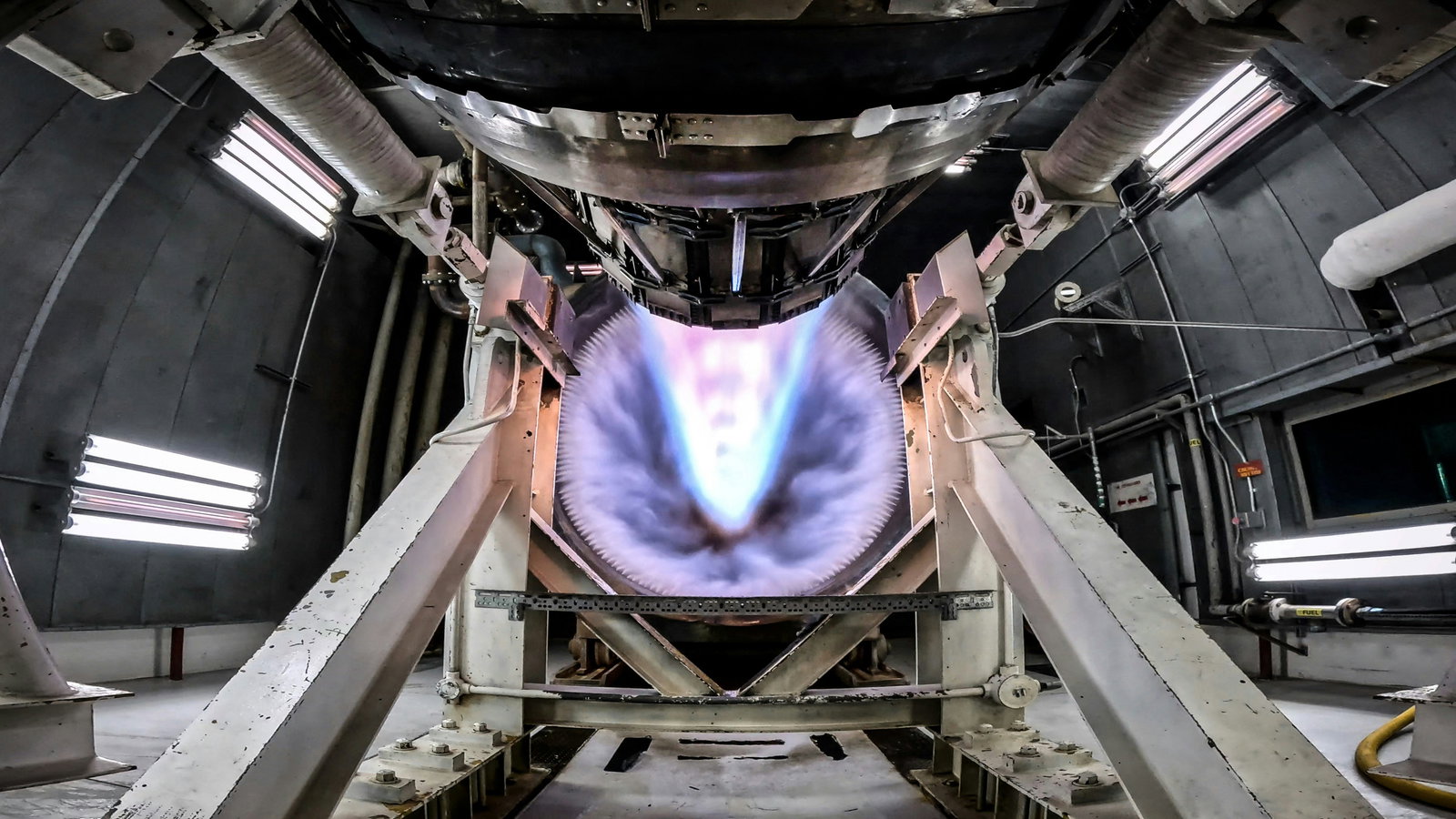
Chemical propulsion is a mature art with a hard ceiling. The energy stored in any chemical bond sets a limit on exhaust velocity, and that limit forces a mission to carry punishing quantities of propellant for any transit of consequence. The rocket equation is unforgiving: each increment of capability costs an exponential increment of mass.
Program RP-022 sets the chemical bond aside. Its concern is propulsion that draws on electromagnetic and plasma processes — accelerating reaction mass to velocities no chemical reaction can reach, trading raw thrust for efficiency in the regime where missions are measured in months and the destinations lie beyond the Moon.
Approaches
Three architectures under evaluation.
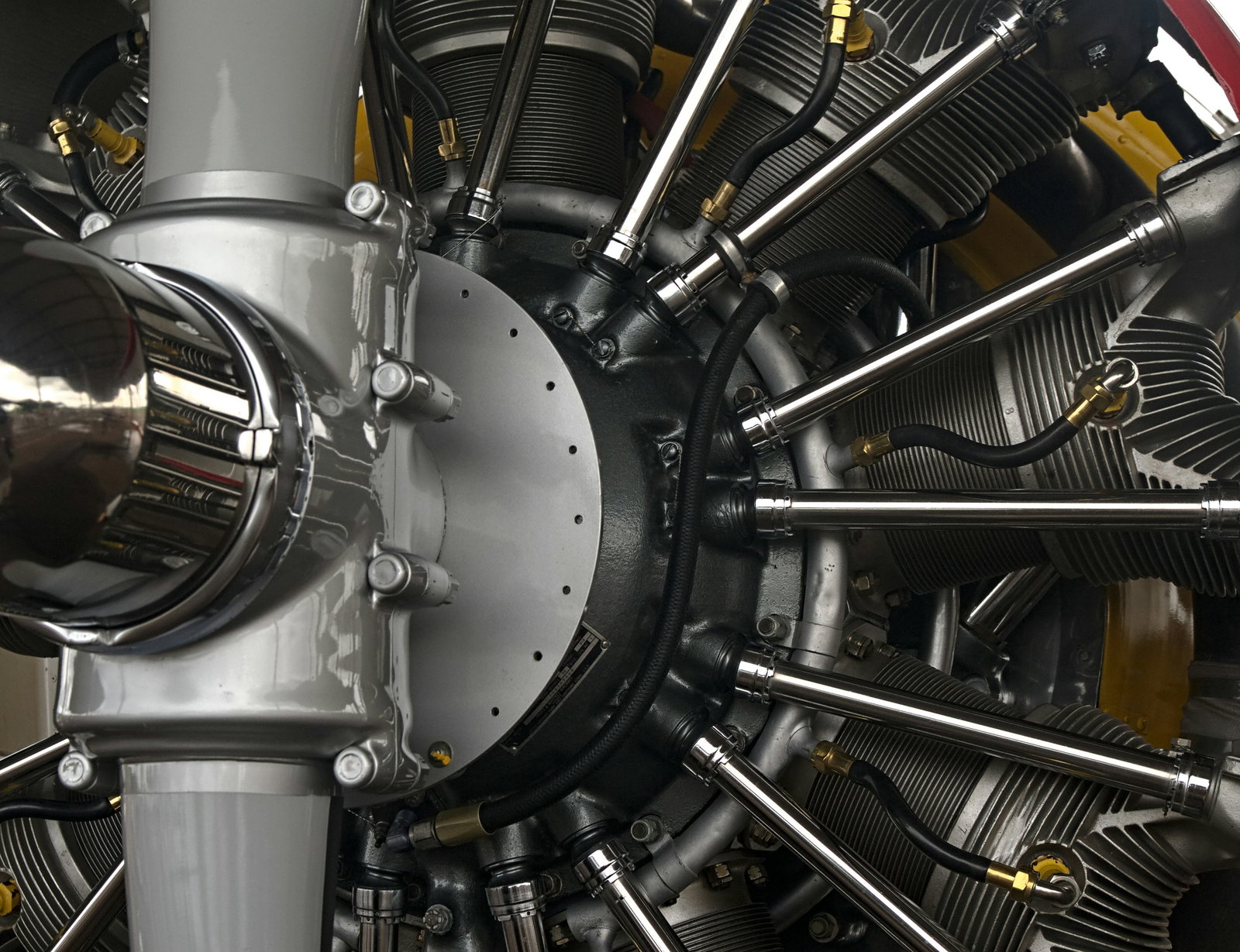
The program maintains parallel work on three concepts. Pulsed electromagnetic accelerators discharge stored energy in brief, intense impulses, well suited to attitude control and staged maneuvers. Magnetoplasmadynamic thrusters ionize a propellant and accelerate the resulting plasma through crossed electric and magnetic fields, offering high efficiency at the cost of demanding power densities.
The third line — continuous-impulse architectures — is the most ambitious: a thruster intended to run for the duration of a crewed transit, accumulating velocity gradually rather than in discrete burns. Each approach is pursued far enough to establish where it fails, which is frequently more informative than where it succeeds.
Test Facility
A proving range, not a laboratory.
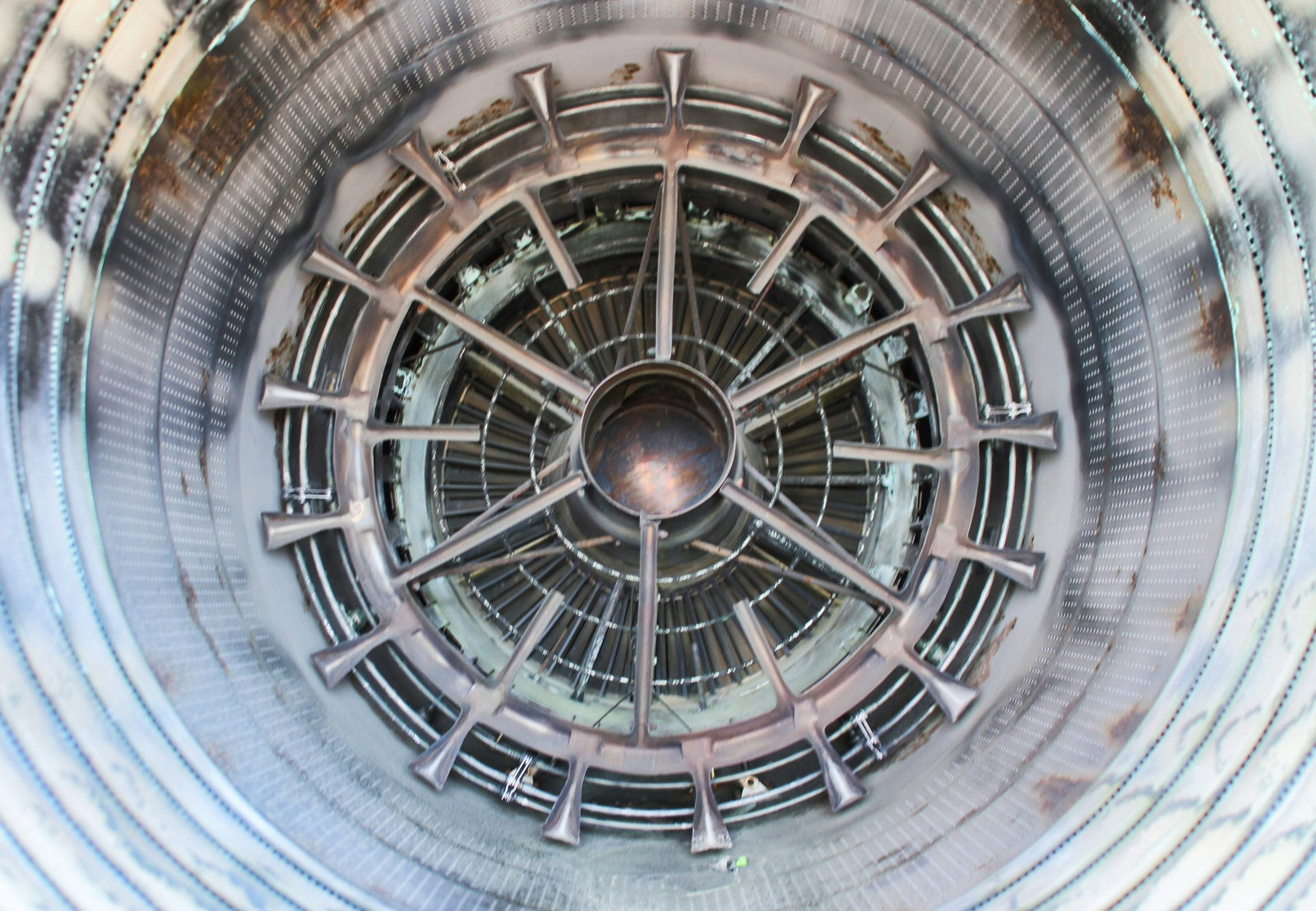
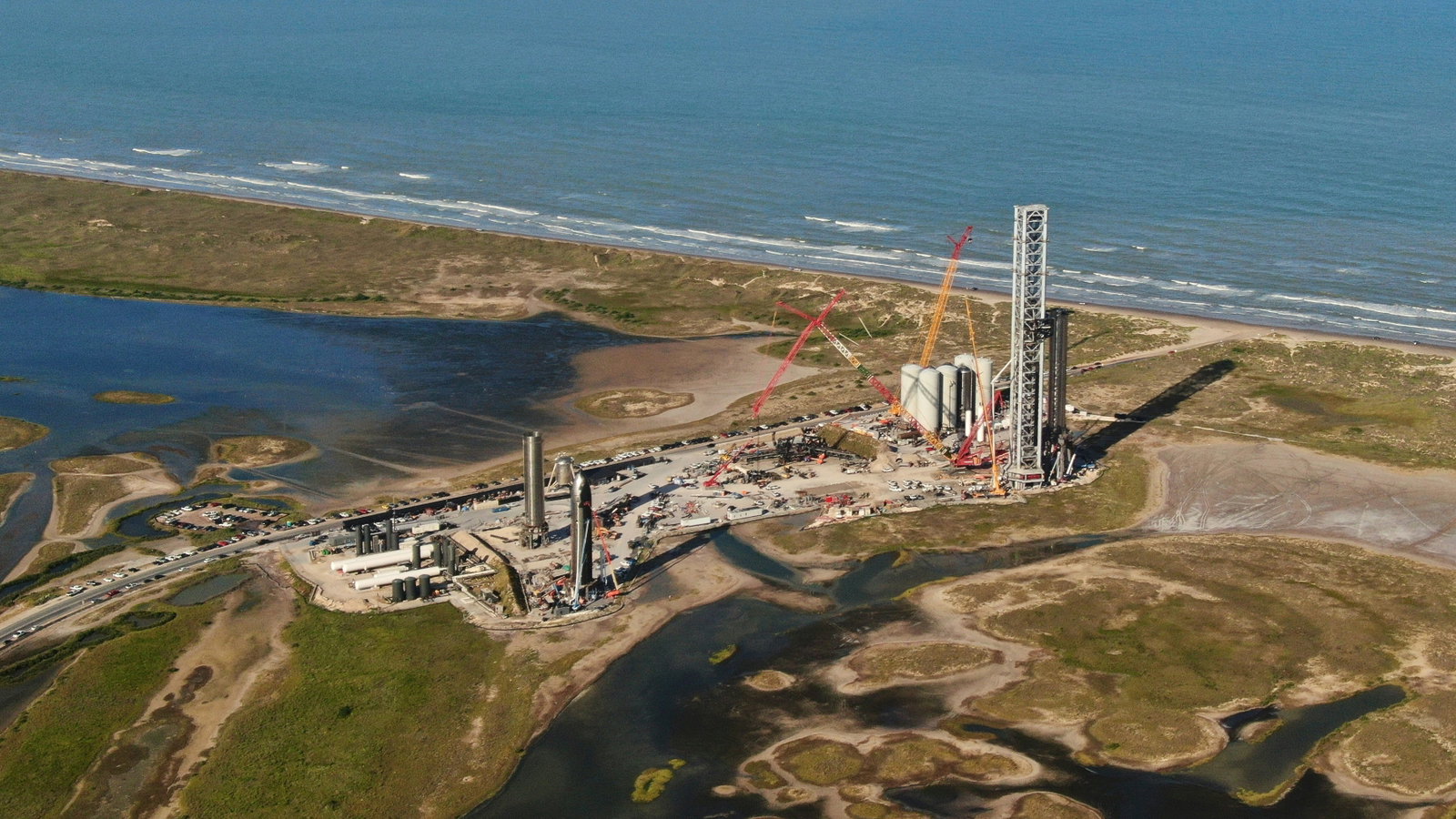
The Jornada range in New Mexico exists because some questions cannot be answered indoors. High-power thruster testing demands vacuum chambers of substantial volume, electrical infrastructure capable of delivering megawatt transients, and a degree of physical separation from anything that matters should a test article fail energetically.
The range operates on a quarterly hot-fire cadence. Between campaigns, instrumentation is rebuilt and test articles revised; during them, the program accumulates the thermal, erosion, and lifetime data that ultimately determine whether a concept is a curiosity or a candidate.
Outlook
Patience as an engineering parameter.
None of these architectures will lift a payload from the surface of the Earth; that is not their purpose. They are designed for the vacuum, for the long quiet middle of a mission, where small forces applied for a long time outperform large forces applied briefly.
The program does not promise a propulsion revolution on a fixed schedule. It promises careful characterization of concepts that the field has too often left at the level of the plausible — and the occasional finding that a concept presumed decades away is closer than the literature suggests.