Overview
Two problems, tightly coupled.
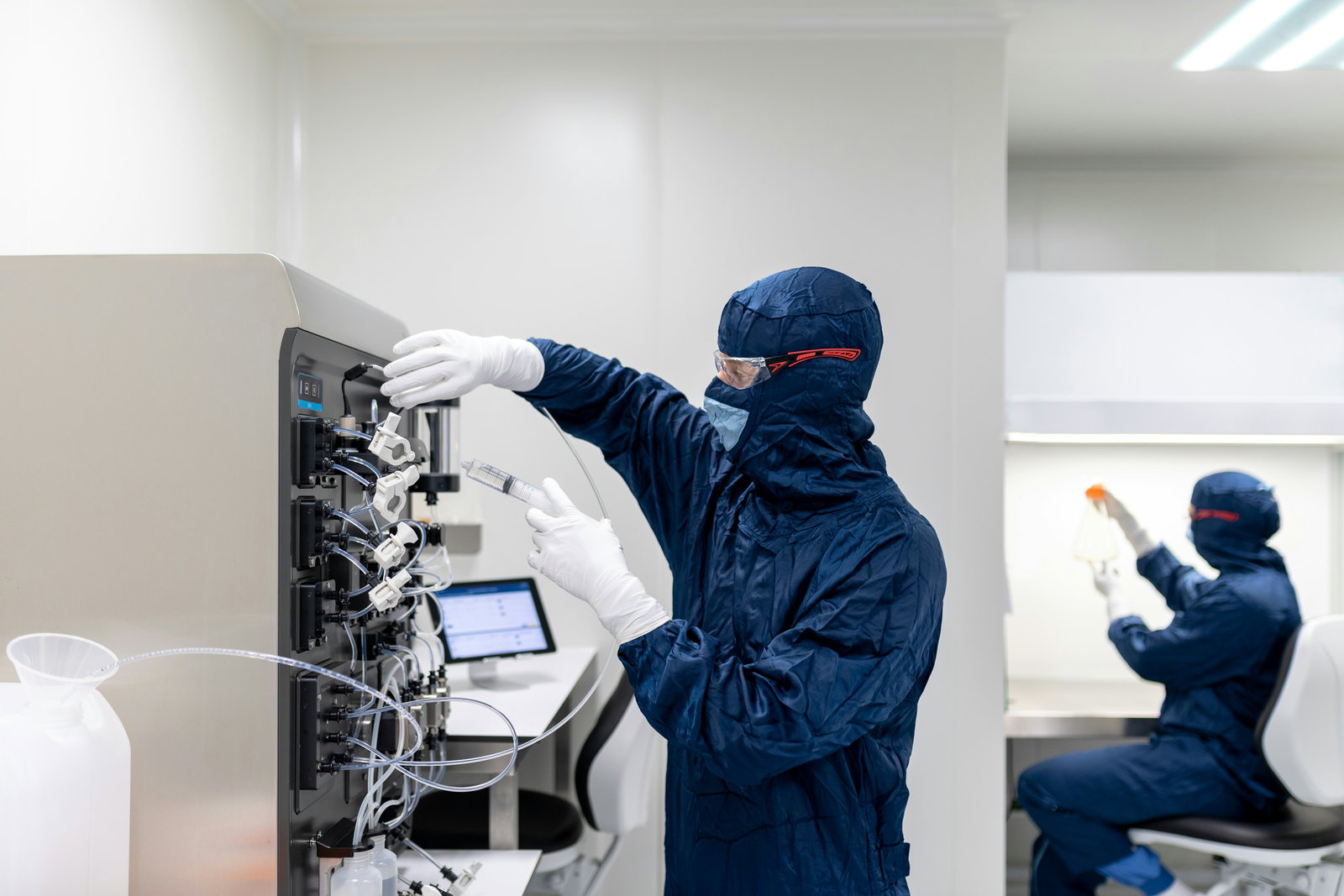
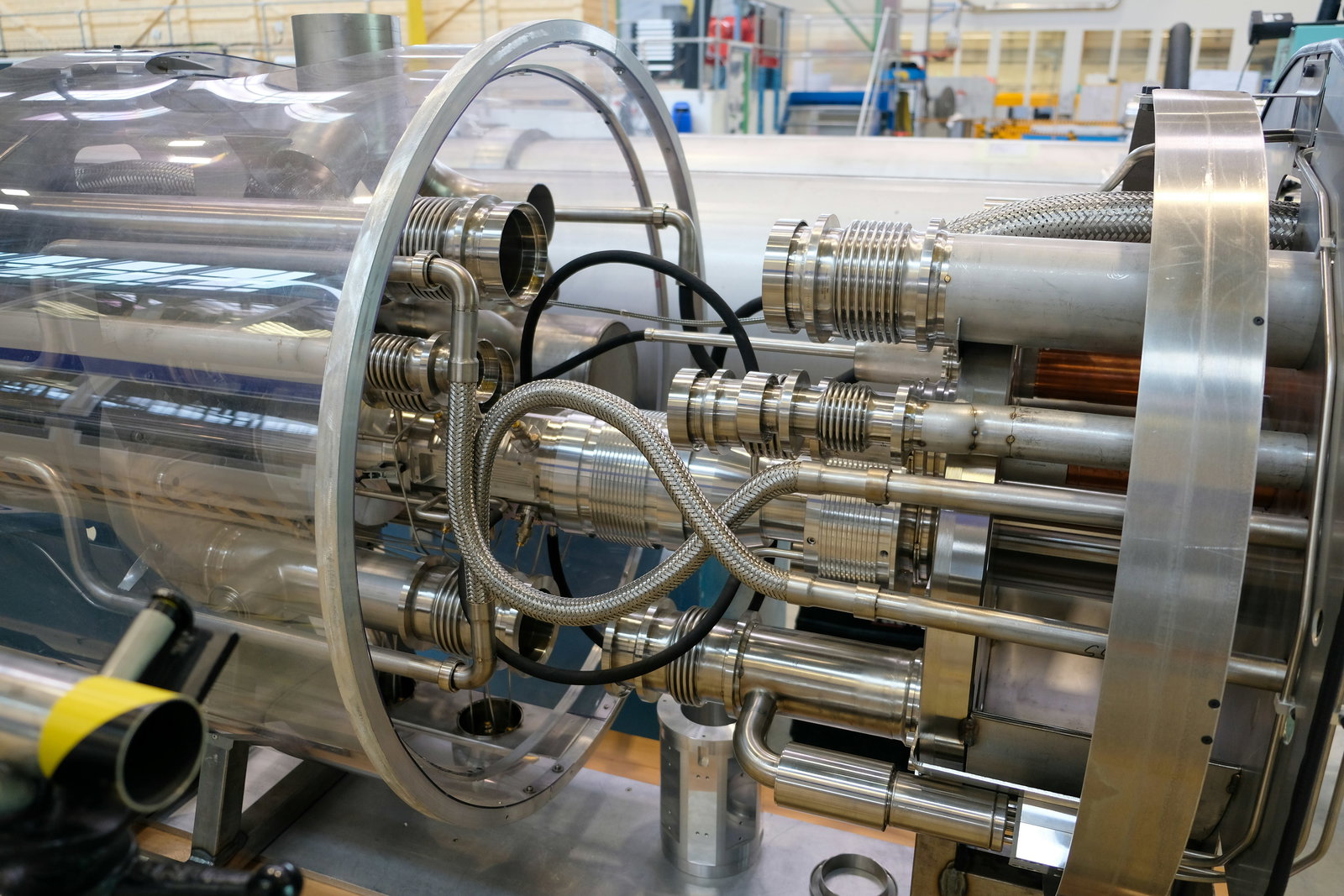
Superconductivity — the complete disappearance of electrical resistance below a critical temperature — is among the most consequential phenomena in condensed-matter physics, and among the most demanding to exploit. Program RP-068 pursues it on two fronts that are, in practice, inseparable: the materials that superconduct, and the machines that reach the temperatures they require.
The program is the oldest at B5, and the most quietly foundational. Its cryogenic capability underpins work across the rest of the portfolio, from the stabilized detectors of the quantum communications program to the sensing platforms it builds in its own right.
Materials
Chasing the critical temperature upward.
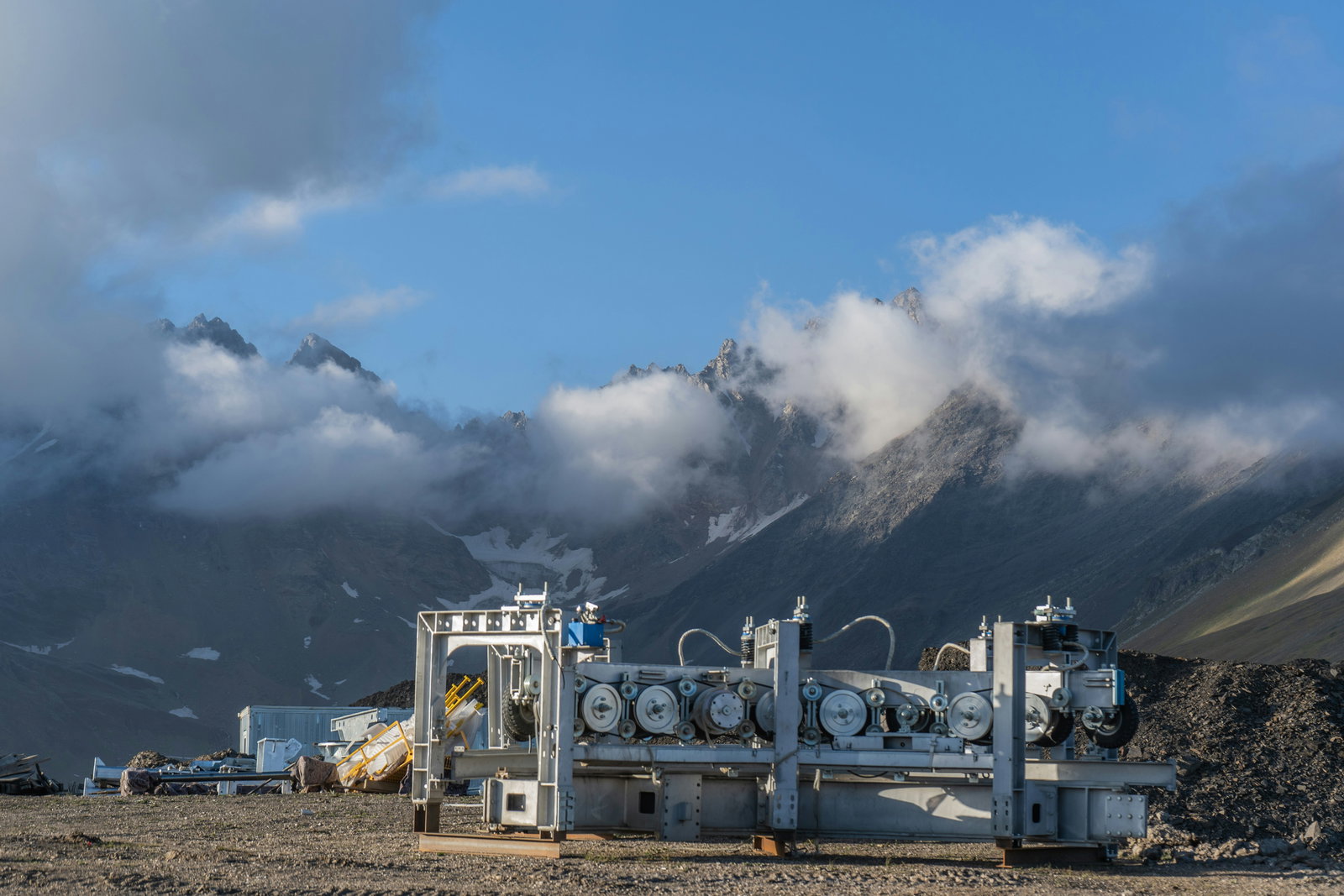
Every degree by which a material's critical temperature can be raised relaxes, often dramatically, the engineering burden of cooling it. The program's materials work targets two families where that ceiling has proven most movable: the layered cuprates, whose complex structure resists easy theory, and the hydride systems, which superconduct at remarkable temperatures under remarkable pressures.
Neither family is close to room-temperature operation under ordinary conditions, and the program does not pretend otherwise. The aim is incremental and honest: to understand what governs the critical temperature well enough to nudge it, reliably, in the useful direction.
Refrigeration
Closed-cycle paths to the deep cold.
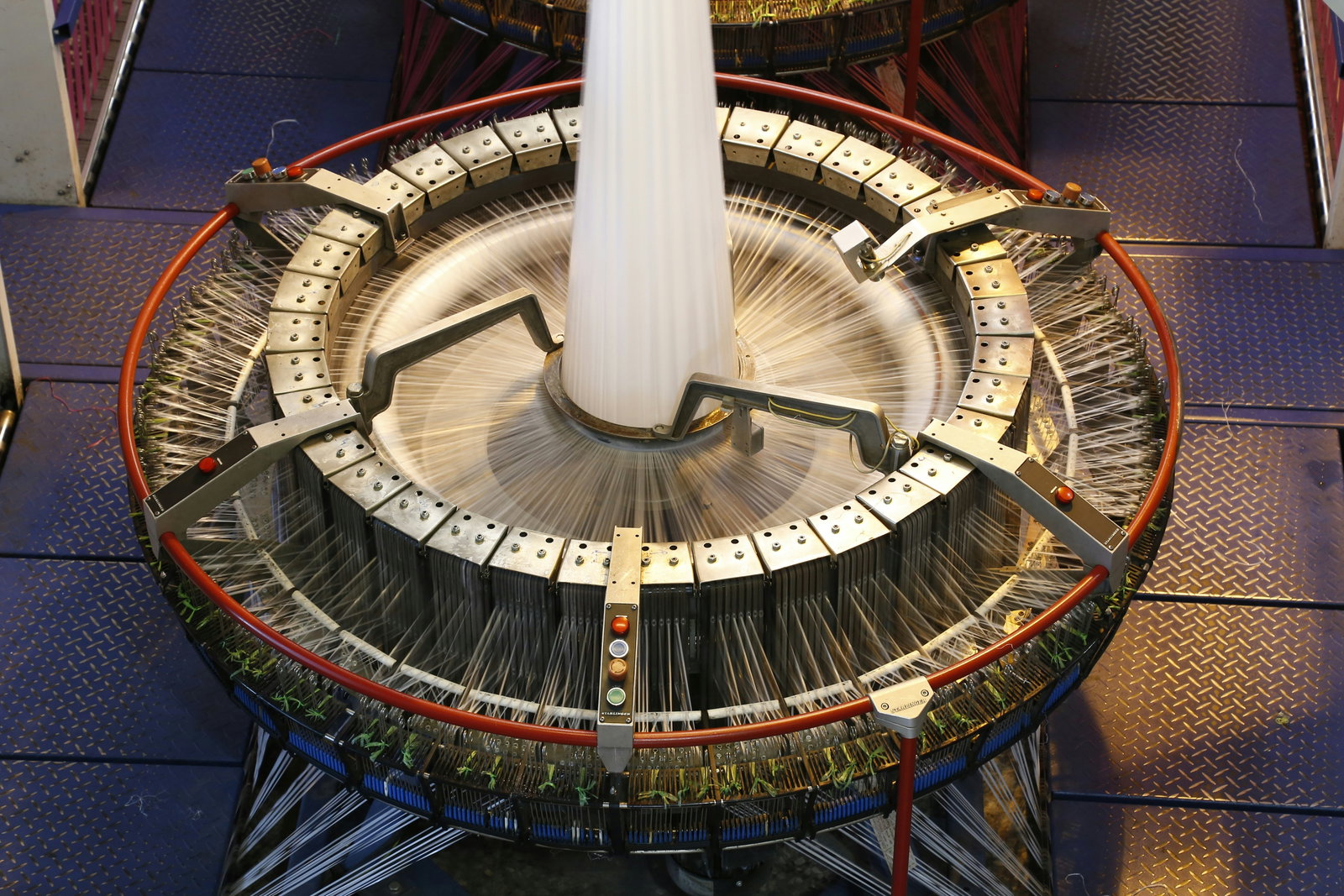
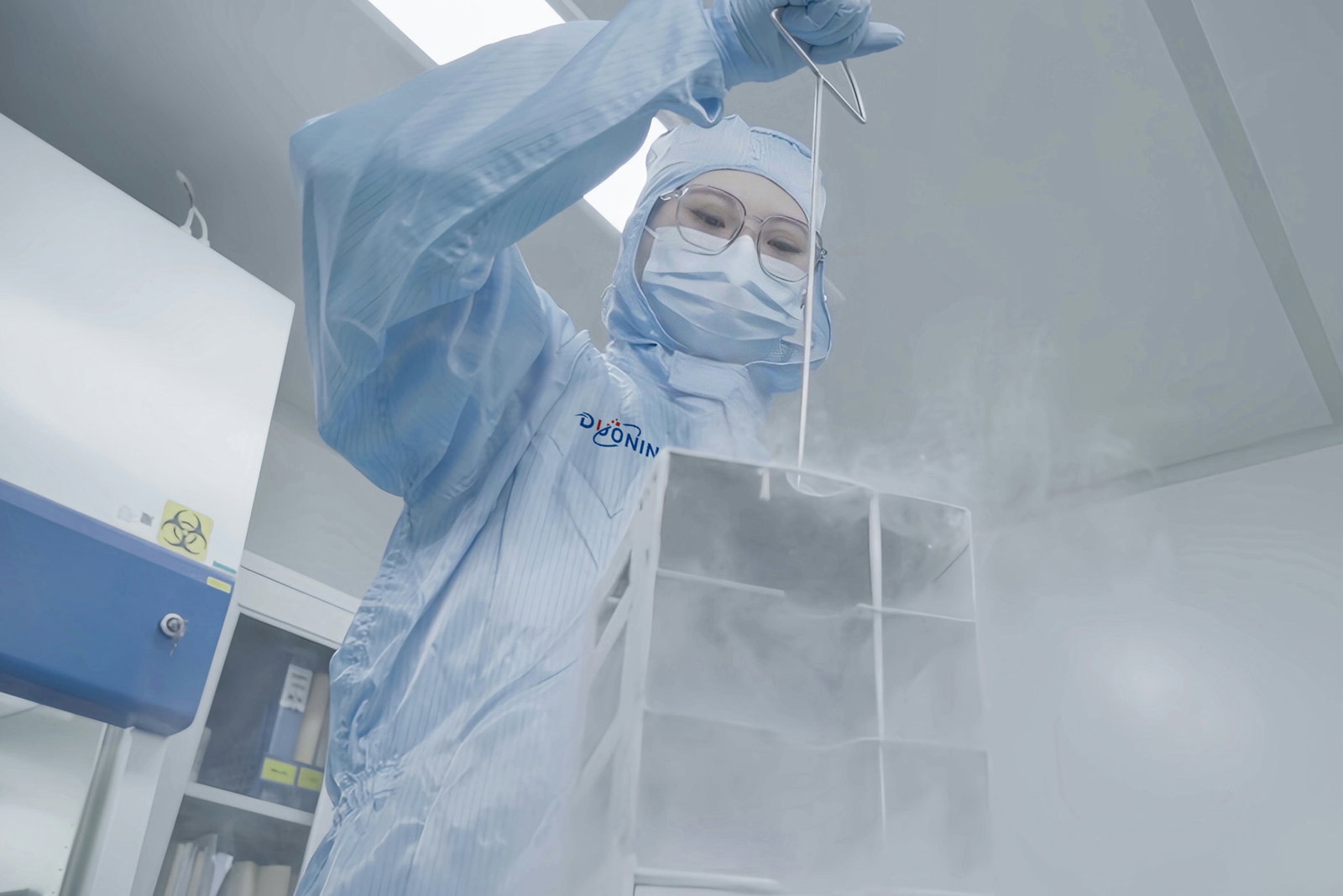
Reaching the temperatures at which the program's circuitry operates — fractions of a degree above absolute zero — is itself a substantial engineering achievement. The program develops closed-cycle dilution refrigerators, which exploit the peculiar thermodynamics of mixed helium isotopes to reach the sub-millikelvin regime without a continuous supply of consumable cryogen.
Closed-cycle operation matters for reasons beyond convenience. A refrigerator that runs indefinitely without replenishment is a precondition for any superconducting system intended to operate as standing infrastructure rather than as a transient experiment.
Integration
From cold sample to working system.
A superconducting circuit is only useful when it is integrated into something larger — a sensor of extraordinary sensitivity, a component of a computing platform, an element of a measurement chain. The program's integration work bridges the gap between a material that superconducts on a cold-finger and a system that does dependable work.
This is where the program's age becomes an asset. Two decades of accumulated cryogenic discipline mean that integration questions which would stall a younger group are, here, largely matters of established practice — leaving the program free to spend its attention on what remains genuinely hard.